

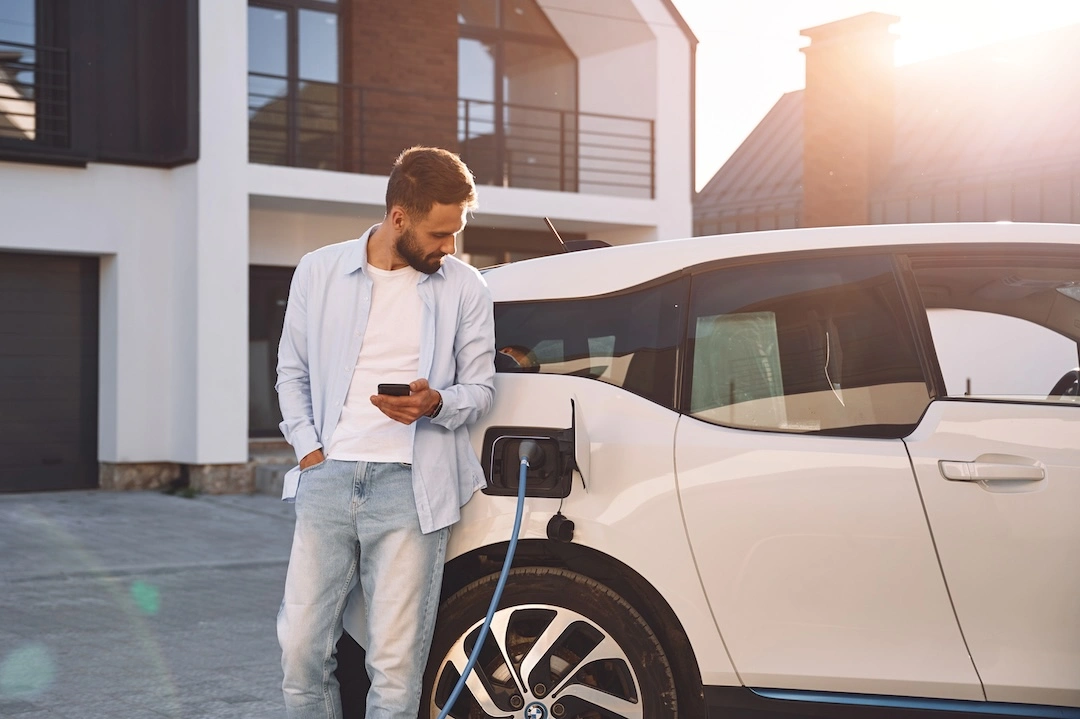
Electric vehicles (EVs) are becoming a popular choice for drivers who want to save on fuel, reduce emissions, and enjoy cutting-edge technology. If you’re thinking about making the switch, it’s important to understand how electric vehicle insurance works and what factors can affect your coverage and costs.
While EV insurance is similar to insurance for gas-powered cars, there are some differences that can impact your rates, coverage needs, and available discounts. Here’s what you should know before going electric.
Key takeaways
- EV insurance works much like traditional car insurance, but higher vehicle values, advanced technology, and costly battery systems can affect coverage needs and premiums.
- The right coverage can help protect against EV-specific risks, including battery damage, specialized repairs, and roadside needs related to charging.
- Discounts and savings opportunities may be available for EV drivers, especially for safe driving and vehicles with advanced safety features.
In this article
- How is car insurance for electric cars different from gas-powered cars?
- What factors make electric vehicle insurance more expensive?
- Coverage options for electric vehicles
- How do I qualify for an EV insurance discount?
- Tips for lowering your electric car insurance premium
- Why drivers trust The General®
- FAQs
How is car insurance for electric cars different from gas-powered cars?
At its core, electric vehicle insurance works the same way as insurance for traditional vehicles. You’ll still choose from liability, comprehensive, and collision coverage, along with optional add-ons based on your needs and state requirements.
However, EV insurance comes with a few considerations that can affect your premiums and coverage options, including:
- Higher vehicle purchase prices
- Specialized repair requirements
- Expensive battery systems
- Advanced onboard technology
Because of these factors, electric vehicle insurance may cost slightly more than coverage for a comparable gas-powered model.
What factors make EV insurance more expensive?
Several vehicle-specific factors can affect EV insurance rates:
Higher repair and replacement costs
EVs often require specialized parts and trained technicians. Repairs after a collision may cost more, which can increase premiums.
Battery replacement costs
The battery is one of the most expensive components of an electric vehicle. While battery damage is uncommon, replacement costs can be significant, making comprehensive and collision coverage especially important.
Advanced safety and technology features
Many EVs come equipped with advanced driver-assistance systems, sensors, and cameras. These features can improve safety but can also raise repair costs if damaged.
Higher vehicle value
Because electric vehicles often have higher upfront prices, insurers may pay more to repair or replace them after a covered loss. However, EVs typically perform well in safety tests and may be driven fewer miles, which can help offset costs.
Coverage options for electric vehicles
Choosing the right electric vehicle insurance coverage helps protect you on and off the road. Common coverage options include:
- Liability coverage: May help cover injuries and property damage you cause to others.
- Collision coverage: Can help pay for repairs to your EV after an accident.
- Comprehensive coverage: May help cover non-collision events like theft, vandalism, fire, or weather damage.
- Uninsured/underinsured motorist coverage: Can help cover costs if you’re not at-fault but the other driver doesnt have insurance or enough insurance to cover damages.
- Roadside assistance: May help you get support if your vehicle breaks down or you run out of charge.
Some policies may offer coverage for charging equipment or battery-related damage, so it’s worth asking about EV-specific options when shopping for insurance.
How do I qualify for an EV insurance discount?
While government incentives for electric vehicles typically apply to purchases or taxes (not insurance), many drivers may qualify for EV insurance discounts.
Potential savings opportunities include:
- Safety discounts for vehicles with advanced driver-assistance systems
- Good driver discounts for maintaining a clean driving record
Tips for lowering your electric car insurance premium
Looking to save on EV insurance? Here are a few things to consider:
- Shop and compare quotes to find the best value for your vehicle make and model
- Choose coverage limits that match your needs without over- or under-insuring
- Increase your deductible to potentially lower your monthly premium
- Maintain a clean driving record to help keep rates low
Why drivers trust The General®
Whether you drive an electric vehicle or a gas-powered car, choosing the right insurer matters. Drivers trust The General for affordable, dependable coverage and a customer-first approach.
- Over 60 years of experience: The General has been helping drivers get the coverage they need since 1963.
- A+ from AM Best: In 2025, AM Best upgraded The General’s Financial Strength Rating from A (Excellent) to A+ (Superior).
- Highly rated by customers: The General has a 4.7 out of 5-star rating on Trustpilot, based on more than 120,000 real customer reviews.
- Designed for everyday drivers: From easy payment options to convenient online quotes, The General makes car insurance accessible, regardless of your driving history.
Get a free online quote today!
FAQs
Does car insurance cover EV batteries?
In some cases, yes. An EV battery is typically considered part of the vehicle, which means it may be covered under comprehensive or collision coverage if it is damaged in a covered event (such as a car accident, fire, theft, or vandalism).
However, car insurance usually doesn’t cover normal battery wear, gradual degradation, or manufacturer defects. Those issues are often covered under the vehicle manufacturer’s battery warranty. Coverage details can vary by policy, so it’s a good idea to confirm how your insurer treats battery-related damage.
Is home EV charging equipment covered by insurance?
Home EV charging equipment might be covered, but coverage often comes from homeowners or renters insurance, not your auto policy. For example, wall-mounted charging stations are typically considered part of your property and may be covered if they’re damaged by events like fire, storms, or vandalism. If you have questions, be sure to review your property insurance policy to make sure your equipment is properly covered.
Are hybrids insured the same way as EVs?
Hybrid vehicles are generally insured the same way as traditional gas-powered cars, using standard insurance coverage like liability, collision, and comprehensive. While hybrids do include a battery and electric components, their repair and replacement costs are often lower than those of fully electric vehicles. However, rates for hybrids can still vary based on things like vehicle value, safety features, and driving history.
