

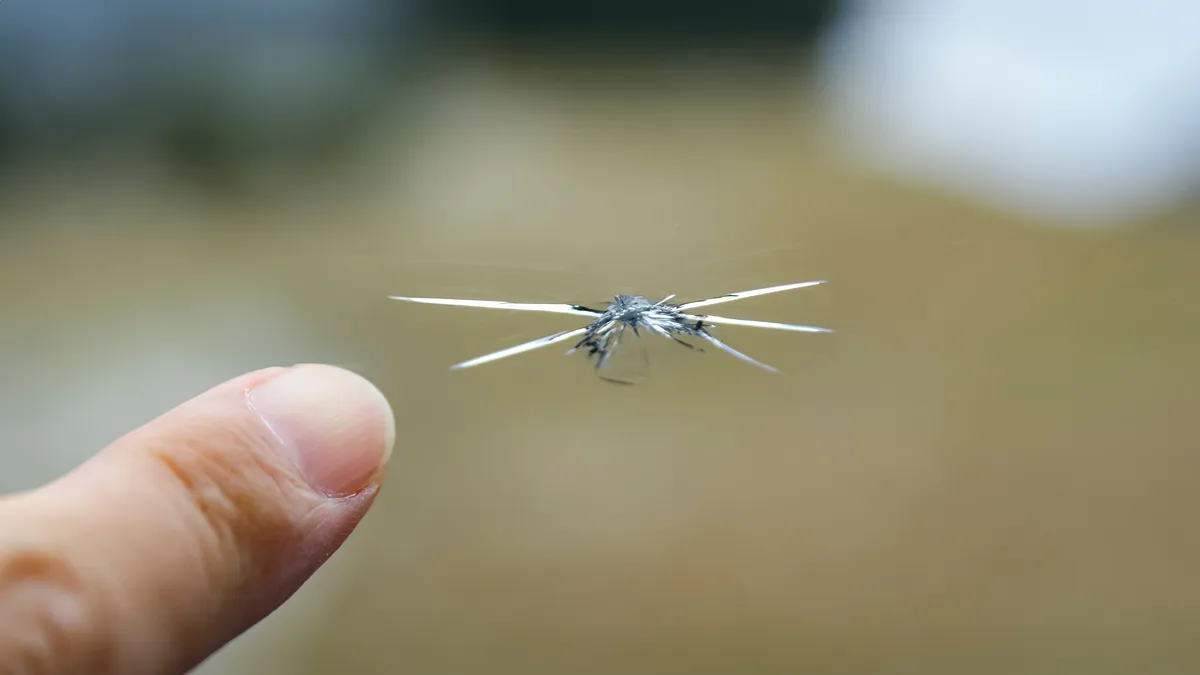
If a piece of debris hits your car while you’re driving and leaves a crack or chip in the windshield, do you need to take your car to the shop? Although you might be tempted to ignore a tiny chip or crack, damage to your windshield can put your safety at risk while driving. Your car’s windshield is a safety feature that not only protects you against the elements but also performs life-saving functions, such as reducing crash injuries, supporting your car’s structure, and preventing foreign objects from penetrating the interior of your vehicle.
If you don’t repair a crack or chip in your windshield, it can eventually obstruct your view or weaken your windshield’s structural integrity, reducing its ability to perform these important safety functions. While DIY windshield repair kits are available, it’s often best to have a professional repair or replace your windshield.
Key takeaways
- Even small windshield cracks or chips can weaken your car’s structure and reduce safety while driving.
- DIY windshield repair kits may fix minor chips, but professional repair or replacement is safer and more reliable.
- Comprehensive auto insurance* typically covers windshield repair or replacement, while liability-only policies generally do not.
Should my windshield be repaired or replaced?
Windshield repair is possible for minor chips, but some damaged windshields are beyond repair and should be replaced by a professional.
Types of windshield damage
There are different ways that your windshield can be cracked, and certain types of cracks are too serious to repair. If your car’s windshield has one of the following chips or cracks, it might need to be replaced rather than repaired:
- Crack: A crack in the glass over 10 inches.
- Multiple cracks: Multiple cracks in your windshield that originate from the same point of impact, even if they’re under 14 inches.
- Surface pit: A nick in the glass that looks like a small pit larger than 1/8 of an inch in diameter.
- Star break: A series of small cracks spreading from the same point and over 3 inches.
- Bullseye: A circle or half-circle in the outer glass with a dark circle in the middle larger than 1 inch in diameter.
- Combination break: A combination of different types of breaks, with a damaged area over 2 inches.
Where are the windshield cracks located?
The location of the damage is an important factor in determining if your windshield can be repaired. For instance, cracks near the edge of the windshield or in the driver’s line of sight are two additional criteria.
Use this table to see how different crack locations impact safety or visibility, as well as actions you might take:
| Crack location | Impact on safety or visibility | Actions you might take |
|---|---|---|
| Outer edge of the windshield | Weakens the structural integrity of the glass and increases the risk of spreading. | Replace the windshield to maintain safety and prevent further cracking. |
| In the driver’s line of sight | Obstructs visibility and makes driving unsafe, even if the crack is small. | Replace the windshield to restore clear visibility. |
| Near sensors or vehicle safety features (rain sensors, lane departure warning, driver assistance) | Can cause sensors or safety systems to malfunction or fail. | Replace the windshield to ensure all features work properly. |
| Small chip or short crack away from the edges and sensors | It may affect visibility or structure if not repaired promptly. | Repair may be possible if addressed quickly before it spreads. |
How deep are the cracks in your windshield?
Most vehicles use laminated windshields—windshields with two layers of glass on the outside and a plastic layer between them. The plastic is there to minimize the number of glass pieces your windshield creates if shattered. If the damage to your windshield penetrates the plastic layer, it’s too deep to repair.
Are DIY windshield repair kits safe?
DIY windshield repair kits can work for small chips or surface cracks, but they’re not always the safest option, especially for larger or deeper damage. These kits often provide a temporary fix and don’t restore the windshield’s full strength or visibility. If the damage spreads, it can weaken the overall structure and increase the risk of injury in an accident. For most repairs, it’s safer to have a professional handle the job.
Reasons DIY windshield repair isn’t always safe
- The repair may not fully seal or stop the crack from spreading.
- Incorrect application can distort visibility or cause glare.
- Incomplete sealing can allow moisture inside, leading to fogging or further cracking.
- A poorly repaired windshield may fail to support airbags during a collision.
- DIY kits may not work well on cracks near sensors or cameras that need professional recalibration.
- Using the wrong resin or tools can damage the glass beyond repair.
- Some insurers may not honor coverage if improper repairs cause further damage.
Count on professionals for windshield repair
According to the National Windshield Repair Division, DIY windshield repair kits only repair 10% of all damaged windshields. Many windshield cracks and chips are very small, making it difficult for the untrained eye to see if they’ve been filled correctly with resin. A lot of windshield damage also requires drilling and flexing, which only professionals can do.
Overall, it’s best to have a professional to fix your cracked windshield, since it plays an integral role in keeping you and your passengers safe. If you have comprehensive insurance, also known as “other than collision” coverage, then safety glass is likely covered under your policy.
Stay covered with The General®
Stay safe on the road with comprehensive insurance from The General. The General has specialized in affordable insurance for over 60 years. If you’re looking for coverage that fits your budget, then get a quote with us in under two minutes.
Frequently asked questions
How much is windshield repair?
The cost for repairing a windshield will depend on the size and severity of the crack or chip. You’ll need to take your car to an auto shop for a quote. With comprehensive car insurance, your policy may cover windshield repair.
How much is a windshield replacement?
There are various factors that can affect how much a windshield replacement will cost, including vehicle make and model and technologies within the windshield. With comprehensive car insurance, your policy may cover windshield replacement.
Does insurance cover windshield repair or replacement?
Whether or not insurance covers a broken, chipped, or cracked windshield depends on the type of insurance that you have. If you have comprehensive auto insurance, windshield repair or replacement may be covered subject to your deductible. You’ll need to check your policy for specific details. However, liability insurance won’t cover windshield repair or replacement.
